Celebration Wall Etc Act 1996
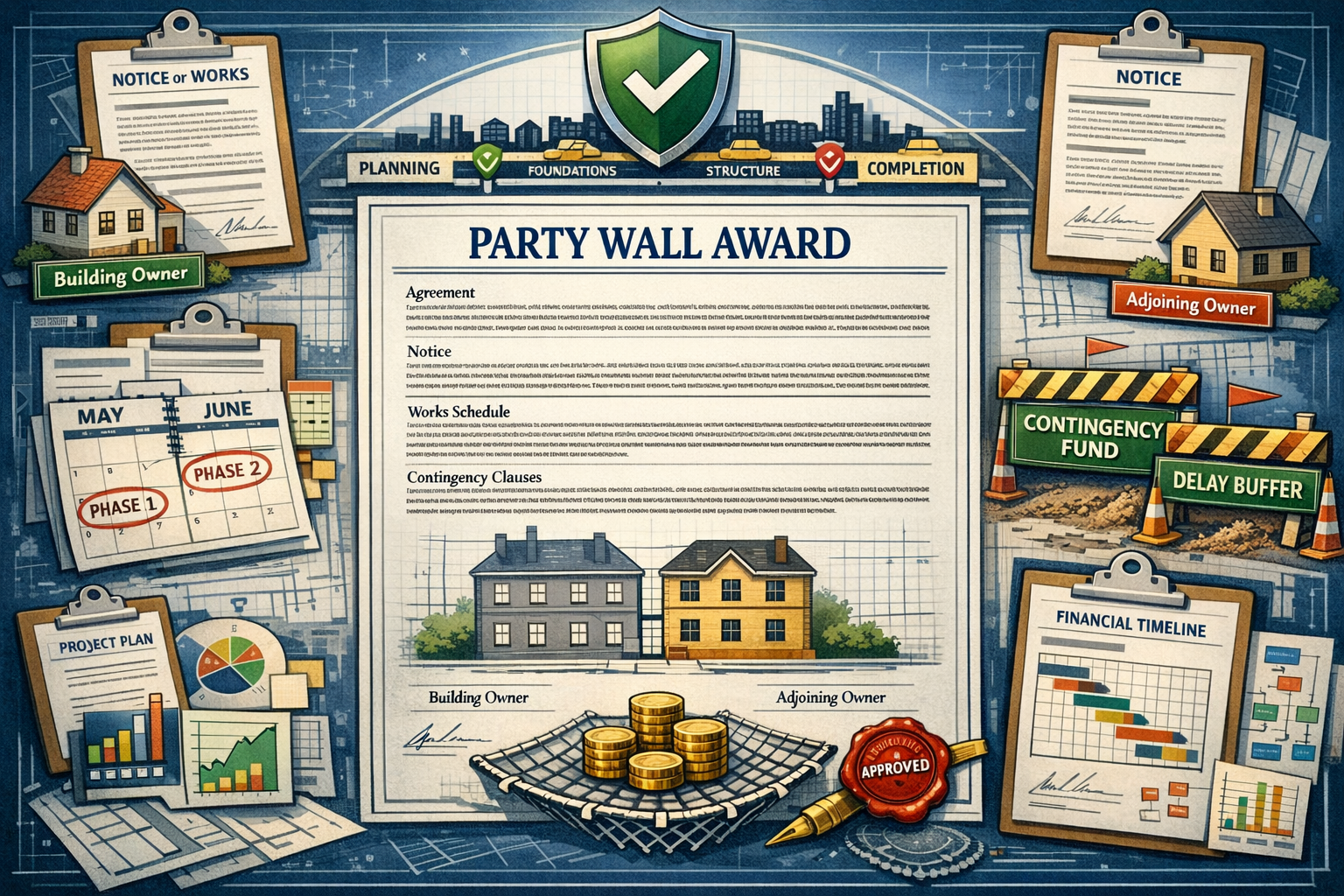
Celebration Wall And So On Act 1996 Celebration wall conflicts in England and Wales are controlled by the Event Wall and so on. This regulation lays out the legal rights and duties of homeowner when performing jobs that impact a party wall or neighbouring framework. In many cases event wall surface arrangements managed special situations, such as windows that had been set up in the party wall prior to the neighboring building was constructed. For instance, the owners of 23 Commonwealth had mounted a number of home windows in their western celebration wall surface, which were not obstructed by 25 Commonwealth due to the design of the last structure. This arrangement additionally dealt with an error in the area of the event wall between 23 and 25 Republic which, "by mistake of the contractors," had been placed on 4 inches of the residential property of 25 Commonwealth. Under the arrangement, the events approved the area of the separating line as being four inches to the east.
Do party wall surfaces influence building value?
The rate of interests of both proprietors

Clearly, both proprietors of the party wall have a keen interest in keeping the wall surface. This may require finishing necessary repair services or perhaps reconstructing harmed parts. After all, if the wall falls into disrepair, both proprietors may see a sharp decrease in residential property value.
Demolition And Replacement Of Celebration Wall Surfaces
Taking care of celebration wall surfaces is one of those locations where experience really counts. Landlords do not simply supply real estate-- they ensure that shared frameworks, such as celebration walls, remain safe, practical, and certified with local guidelines. Certain tasks make it a good idea or obligatory to select a property surveyor. Job that develops structural dangers, modifies shared walls, or activates official notifications might call for skilled involvement.Section 1, Section 2, And Section 6 Notices Discussed
One usual source of tension we've continuously discovered is repairs and maintenance. If each party locates cracks, leaks, or structural wear, that often tends to cause arguments on who must cover the expense or schedule the job to be done. Structure new floorings, building side or back expansions, getting rid of chimney busts, or altering load-bearing elements nearly constantly fall under the Act. These tasks bring property expansion lawful needs right into focus and usually require a formal notice before the job starts. Falling short to adhere to these guidelines might lead to celebration wall conflicts or pricey delays. A surveyor translates the law, evaluates structure techniques, and provides impartial oversight. Complete or partial demolition of an event wall is a significant endeavor. Getting rid of or changing a shared framework needs notice and participation in between both celebrations. Also interior demolitions may impact the structural behavior of the common wall. This will certainly also tape-record the problem of the neighbours' side prior to jobs taking place, so any damages Visit this link can be appropriately tape-recorded and made great adhering to the conclusion of jobs. Among the standout pros of a shared or separating wall surface is the cost-sharing element. When upkeep or repair work are required, you and your next-door neighbor can divide the expenditures, decreasing your economic worry. This cost-sharing is normally directed by a written event wall surface contract, which describes each party's obligations and assists stop disputes.- For nevertheless absurd we have remained in the past, picking up from our blunders and more voluntarily, from the blunders of others puts us in a stature worthy of our assigning proprietors.
- Falling short to follow these policies may bring about event wall disagreements or costly hold-ups.
- And landlords can do their component by remaining aggressive with inspections and dealing with troubles before they intensify.
- This wall isn't just a boundary; it's a party wall-- a framework you both very own.